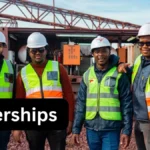

The South African heavy industrial and mining sectors in 2026 continue to experience a structural demand for accredited, highly skilled technical artisans. To help close this critical skills gap and address regional youth unemployment, global mining giant Rio Tinto has officially opened applications for its 2026 Artisan Learnership Programme.
Based primarily at its operational hubs in Richards Bay, KwaZulu-Natal, this multi-year vocational development initiative targets unemployed youth from the surrounding communities. By blending rigorous academic engineering theory with hands-on workshop training and real-world industrial placement, the programme provides an entry point into a sustainable career path.
Crucially, this learnership is fully structured to culminate in a nationally recognized Trade Certificate issued by the Quality Council for Trades and Occupations (QCTO) and registered under the National Qualifications Framework (NQF).
1. The Strategic Importance of Artisan Training in South Africa
The structural landscape of the South African economy relies heavily on infrastructure development, extraction, and mineral processing. However, both public and private industrial firms consistently report operational bottlenecks due to a shortage of qualified technical tradespeople.
Traditional tertiary education streams often place a heavy emphasis on conceptual theory, leaving a visible gap in practical, industry-ready application. Rio Tinto’s approach uses a dual-education framework. This ensures that learners spend significant portions of their time inside active operational plants, mastering heavy machinery maintenance, diagnostic troubleshooting, and safety compliance under the mentorship of senior engineering professionals.
2. Comprehensive Trade Streams Available for the 2026 Intake
The 2026 intake covers seven highly technical fields. Each trade satisfies a specific operational requirement within Rio Tinto’s processing plants and heavy machinery fleets.
Diesel Mechanic
Diesel Mechanics are responsible for the diagnostic testing, preventative maintenance, and structural repair of large-scale, diesel-powered mining fleets and earthmoving machinery. Training emphasizes complex hydraulic systems, high-capacity internal combustion engines, and precision electronics integration.
Boiler Maker
Boilermakers are structural steel specialists. Learners in this stream are trained in commercial fabrication, heavy-duty welding techniques, structural assembly, and the interpretation of intricate engineering blueprints. This trade is essential for maintaining the physical integrity of processing plants and structural chutes.
Millwright
The Millwright trade is a specialized, multi-disciplinary field that combines mechanical engineering with industrial electrical systems. Millwrights are highly versatile professionals capable of diagnosing complex faults on automated assembly lines, maintaining conveyor frameworks, and servicing interconnected electrical-mechanical machinery.
Refractory Mason
Refractory Masons possess specialized knowledge in handling, installing, and repairing heat-resistant materials (refractory bricks and coatings). These materials line high-temperature processing units, kilns, and smelting furnaces. This niche trade is critical for the continuous operation of mineral processing plants.
Electrician
Industrial Electricians focus on the deployment, diagnostic testing, fault finding, and preventative maintenance of high-voltage systems, distribution frameworks, and factory electrical circuits. Safety compliance and strict adherence to industrial electrical codes form the core of this curriculum.
Mechanical Fitter
Mechanical Fitters specialize in the precise assembly, alignment, structural installation, and maintenance of production machinery. This trade covers industrial pumps, gearboxes, alignment systems, and heavy-duty mechanical components that keep processing lines moving smoothly.
Instrumentation
Instrumentation Technicians focus on industrial automation, digital control systems, and precision sensors. As heavy industry transitions further into automated processing loops, these learners are trained to calibrate, maintain, and program the computerized systems that monitor plant safety, temperature, and output pressures.
ALSO APPLY FOR How to Apply for Assistant Teacher Learnerships in South Africa 2026: Official SA Youth Portal Guide
3. Structural Breakdown of the Learnership Curriculum
The Rio Tinto Artisan Learnership is divided into three distinct learning phases, which must be completed systematically before a learner is permitted to attempt the formal Trade Test.
+-------------------------------------------------------------------------+
|                        1. THEORETICAL LEARNING                          |
|   Engineering Mathematics, Technical Drawing, Safety Codes, and Science |
+-------------------------------------------------------------------------+
                                     |
                                     v
+-------------------------------------------------------------------------+
|                        2. PRACTICAL WORKSHOP                            |
|     Hands-on Tool Mastery and Diagnostic Simulators in Safe Spaces       |
+-------------------------------------------------------------------------+
                                     |
                                     v
+-------------------------------------------------------------------------+
|                        3. WORKPLACE EXPOSURE                            |
|       On-site Plant Rotations and Heavy Machinery Job Shadowing         |
+-------------------------------------------------------------------------+
Phase 1: Theoretical Engineering Foundation
Learners are exposed to institutional classroom modules covering technical engineering science, applied industrial mathematics, schematic drawing interpretation, and fundamental safety regulations.
Phase 2: Controlled Workshop Training
Before stepping into active production zones, participants spend months in specialized training workshops. Here, they develop foundational tool proficiency, learn basic machining, and practice diagnostic routines on specialized simulators.
Phase 3: Live Workplace Plant Exposure
The final phase integrates the learner directly into Rio Tinto’s operational environments in Richards Bay. Working side-by-side with certified artisans, learners participate in live plant maintenance shutdowns, handle real equipment failures, and absorb the workplace culture of a global corporation.
ALSO APPLY FOR
Cosmetic Connection Learnership 2026: R3,500 Monthly Allowance and Retail Training Details
4. Strict Eligibility and Compliance Criteria
Due to the technically demanding nature of heavy industrial work and strict occupational safety laws, applicants must fulfill several strict baseline criteria to pass the initial automated screening.
- Geographic Restraints: Applicants must permanently reside within the King Cetshwayo District Municipality in KwaZulu-Natal. Proof of local residence will be rigorously audited to ensure the learnership benefits immediate host communities.
- Citizenship: Valid South African citizenship is required.
- Academic Minimums: A completed Grade 12 (Matric) certificate featuring Core Mathematics and Physical Science (or recognized Technical Matric equivalents). Mathematical Literacy is not accepted for these specific artisan fields.
- Prior Technical Qualification: Possession of a relevant, trade-related N-course certificate (N2 through N6) or an applicable NCV Level 4 qualification from an accredited TVET college is required.
- Driver’s Licence: A valid, unendorsed Code B (Manual) or higher South African driver’s licence is mandatory, as learners will need to operate service utility vehicles within vast industrial sites.
- Exclusivity Regulations: Candidates cannot be active participants in any other SETA-sponsored learnership or apprenticeship framework.
5. Required Compliance Documentation
When preparing your application, formatting and clarity are vital. Ensure all supporting files are high-resolution PDF scans. Incomplete or blurred submissions face immediate automated rejection.
The following documentation must be compiled:
- An updated, professionally structured Curriculum Vitae (CV) outlining any practical or workshop exposure.
- A certified copy of your National Senior Certificate (Matric).
- Certified copies of all relevant technical qualifications (N2-N6 transcripts or NCV certificates).
- A certified copy of your South African Identity Document.
- A certified copy of your valid driver’s licence.
- An authenticated Proof of Residence letter from a local ward councillor or traditional authority within the King Cetshwayo District.
6. Embracing Workplace Diversity and Inclusion
In alignment with global operational standards, Rio Tinto designs its recruitment frameworks around absolute equal opportunity. The company actively encourages applications from demographics historically underrepresented within heavy industrial engineering fields.
Particular preference and structural support are given to qualified women, individuals living with manageable disabilities, and youth from diverse cultural backgrounds. The facilities in Richards Bay are equipped to support an inclusive training environment, ensuring all selected candidates have an equal path toward qualification.
7. Step-by-Step Strategy to Maximize Selection Success
Securing an artisan learnership with a major multinational is a highly competitive process. Candidates can improve their placement probability by adopting a systematic approach.
Structure Your CV for Technical Scanners
When detailing your background, front-load your specific engineering modules, workshop projects, and any hand-tool competencies you have developed. Use clear industry terminology (e.g., arc welding, fault-finding, circuit analysis, mechanical alignment) so that recruitment software can easily flag your technical aptitude.
Verify Your Certification Timeline
Ensure that all stamps on your certified copies are clear, legible, and ideally less than three months old. A blurred police stamp or a hidden document serial number can cause an otherwise strong application to fail the compliance check.
Prepare Thoroughly for the Interview Phase
Shortlisted candidates will face technical and situational interviews. Prepare by reviewing the core principles of your chosen trade. Be ready to discuss safety protocols, such as Lockout-Tagout procedures, and explain how you approach solving complex mechanical or electrical problems under pressure.

8. Frequently Asked Questions (FAQs)
1. Can I apply if I passed Matric with Mathematical Literacy?
No. The artisan trades offered require an understanding of advanced calculations, physics, and engineering principles. Therefore, Core Mathematics is a strict, non-negotiable requirement for this specific intake.
2. Is there an application fee for the Rio Tinto Learnership?
No. Rio Tinto does not charge any fees at any stage of the recruitment process. Any portal, individual, or agency demanding payment for processing or securing a placement is part of a fraudulent scam.
3. How long does the entire artisan learnership take to complete?
While structured as an annual programme, a comprehensive artisan path leading to a full trade test generally spans 2 to 4 years, depending on the specific trade requirements, individual progress, and QCTO guidelines.
4. What kind of certification do I receive at the end?
Upon passing your final trade test, you will receive a nationally accredited Occupational Trade Certificate issued directly by the Quality Council for Trades and Occupations (QCTO).
5. Can I apply if I live outside the King Cetshwayo District Municipality?
The 2026 intake maintains a strict local recruitment mandate focused on community development within the King Cetshwayo District ( Richards Bay and surrounding local municipalities). Applicants outside this geographical zone will not pass the initial screening.
6. Are successful learners provided with a monthly allowance?
Yes. Successful candidates receive a structured monthly stipend designed to assist with travel, meals, and living expenses throughout the training period.
7. What happens if I fail the practical phase?
The programme provides structured remediation and support. However, learners must pass both continuous practical assessments and theoretical exams within specified timelines to retain their place in the programme.
8. Does a valid driver’s licence have to be a manual one?
Yes, a Code B or higher manual driver’s licence is typically required, as the utility and operational vehicles used across industrial and mining sectors utilize manual transmissions.
Final Outlook for 2026 Applicants
The Rio Tinto Artisan Learnership Programme represents an exceptional opportunity for technically minded youth in KwaZulu-Natal to transition into highly employable professionals. By dedicating themselves to this intense learning pathway, successful applicants can gain the skills required to navigate and thrive in South Africa’s heavy industrial landscape. Ensure your application is neatly organized, fully compliant, and submitted through official channels early to secure your chance at this career-defining path.

Ncebakazi Xatula is an Opportunities Researcher and Writer at Setasite, where she focuses on South African learnerships, skills programmes, bursaries, and youth employment pathways. Her work is dedicated to helping matriculants, students, and job seekers clearly understand how the country’s skills development system works and how to apply successfully for verified opportunities.
She specializes in breaking down complex SETA processes into practical, step-by-step guidance that first-time applicants can follow with confidence. Her research involves reviewing publicly available information from Sector Education and Training Authorities (SETAs), accredited training providers, employers, and official institutional sources to ensure content remains accurate and locally relevant.
Ncebakazi’s areas of focus include learnership requirements, application preparation, skills programme opportunities, and common mistakes that prevent applicants from being shortlisted. She is particularly passionate about improving access to reliable opportunity information for young people entering the South African job market.
At Setasite, her editorial approach prioritizes clarity, responsible reporting, and people-first usefulness to support readers making informed career decisions.