
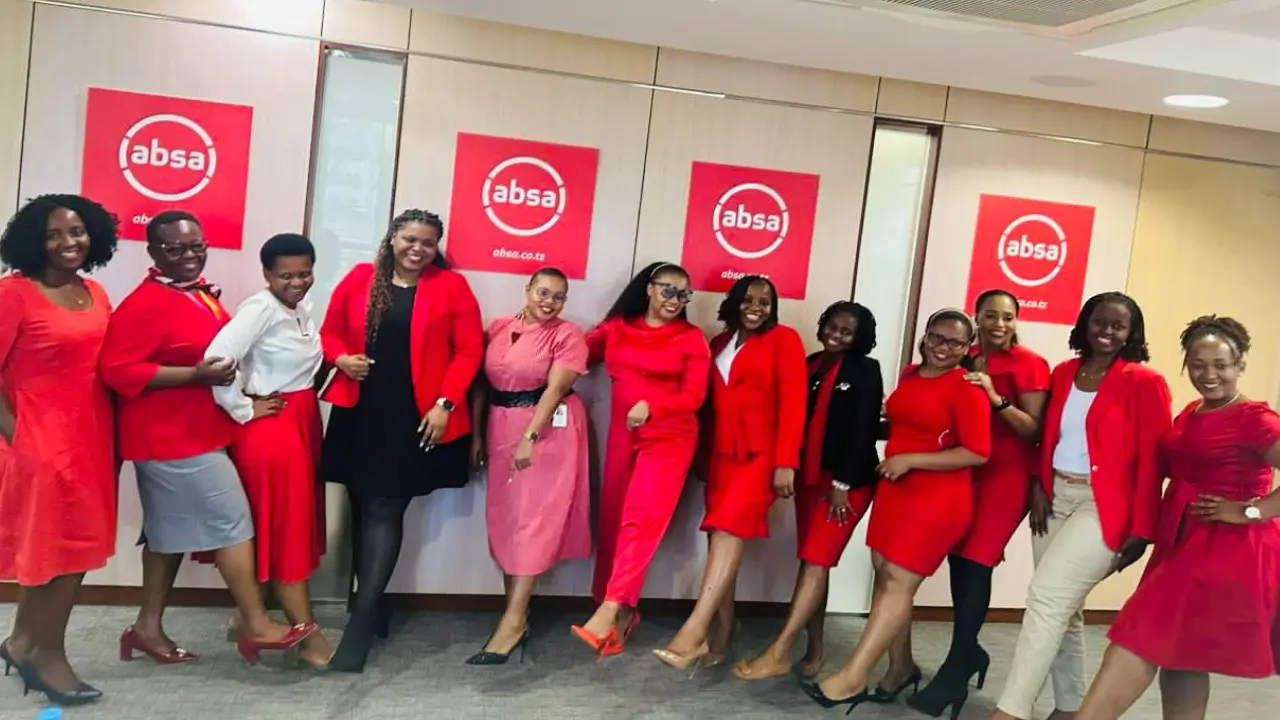
The South African financial sector in 2026 continues to evolve, with digital transformation and customer-centricity at its core. For young graduates looking to break into this competitive landscape, the Absa Home Loans Learnership Programme (Junior Learner – SSE) serves as a vital entry point. Based in Pretoria, this 12-month initiative is specifically designed to transition unemployed graduates from academic theory into the high-stakes world of banking and property finance.
In an era where “experience is the new degree,” Absa’s programme offers a structured pathway that combines classroom learning with real-world operational exposure. This guide provides a detailed breakdown of the requirements, the curriculum of the programme, and strategic advice for applicants seeking to secure a position.
What is the Absa Home Loans SSE Programme?
The Junior Learner – Home Loans Sales and Service Enablement (SSE) programme is a specialized development track within Absa Group Limited. Unlike general internships, which may involve administrative support across various departments, this learnership is focused on the Sales and Service Enablement environment.
Participants are integrated into teams responsible for the lifecycle of a home loan—from the initial customer inquiry and service support to the finalization of the mortgage. This niche focus is highly valuable, as the property finance sector remains one of the most profitable and stable pillars of retail banking in South Africa.
Core Pillars of the 12-Month Journey
The programme is built on three fundamental pillars designed to ensure that by the end of the 12 months, the graduate is fully “workplace ready.”
1. Theoretical Banking Knowledge
Learners engage in structured modules that cover the regulatory landscape of South African banking. This includes the National Credit Act (NCA) and the Protection of Personal Information Act (POPIA), both of which are critical for anyone working in home loans.
2. Practical Service Enablement
Participants work within the SSE teams in Pretoria. This involves learning how to navigate Absa’s internal banking systems, managing customer data, and understanding the workflows that enable a smooth home loan application process.
3. Behavioral and Professional Development
Often referred to as “soft skills,” these are the competencies that drive long-term career success. Absa focuses on:
- Conflict Resolution: Handling difficult customer queries with empathy and efficiency.
- Time Management: Operating within the strict SLAs (Service Level Agreements) of a major bank.
- Professional Ethics: Understanding the integrity required when handling sensitive financial information.
ALSO APPLY FOR SAB Technical Trainee Packaging Production Programme 2026: Requirements, Skills and Career Growth Opportunities
Educational and Eligibility Requirements
Absa maintains a high standard for its 2026 intake, targeting high-potential graduates who can contribute to the bank’s digital and service goals.
Academic Credentials
- NQF Level 7 Qualification: Applicants must hold a completed degree or an equivalent qualification at NQF Level 7.
- Relevant Fields: While open to various disciplines, preference is often given to graduates in Business, Commerce, Finance, Management Studies, or Administration.
Demographic and Status Criteria
- Age Limit: 18 to 30 years old. This aligns with South Africa’s Youth Employment mandates.
- Citizenship: Must be a South African citizen or a permanent resident.
- Employment Status: You must be currently unemployed.
- Exclusivity: You cannot be registered for another learnership, internship, or full-time study program while participating in this learnership.
Technical Proficiency
In 2026, banking is digital. Applicants are expected to be proficient in the Microsoft Office Suite (Excel, Word, Outlook) and show an aptitude for learning complex internal software platforms.
ALSO APPLY FOR
CSG Group Learnerships 2026: A Complete Guide to Skills Programmes and Career Paths
USEFUL LINKS
Skills Gained: Why Home Loans Experience is a Strategic Asset
The home loans division is a unique training ground because it touches on multiple aspects of finance. By completing this learnership, you develop a “multidisciplinary” skill set:
| Skill Category | Practical Application at Absa |
| Financial Literacy | Understanding interest rates, amortization, and credit risk. |
| Sales Enablement | Learning how to support sales teams by ensuring all service barriers are removed. |
| Compliance | Applying FICA and NCA regulations to real customer files. |
| Relationship Management | Communicating complex financial terms to everyday South African consumers. |
The Recruitment and Vetting Process
Absa is a high-trust environment. Consequently, the recruitment process for the 2026 learnership is rigorous and involves several layers of verification.
- Online Occupational Assessments: These test your verbal reasoning, numerical ability, and situational judgment. They are designed to see how you would react to common banking scenarios.
- Integrity Checks: Given the nature of financial services, Absa performs comprehensive criminal record and credit checks. A clean credit history is particularly important, as it reflects the financial responsibility expected of a bank employee.
- Interview Phase: This may include digital interviews (via platforms like Microsoft Teams) or face-to-face sessions in Pretoria.
Benefits of the Absa Learnership
Beyond the obvious benefit of having a “Big Four” bank on your CV, the programme offers tangible rewards:
- Monthly Stipend: Learners receive a competitive monthly stipend. This allowance is designed to cover transport and living expenses in Pretoria while the learner gains experience.
- Industry Networking: You will be mentored by some of the top minds in South African property finance.
- Certification: Upon successful completion, you receive a formal certificate of service and competency, which is a powerful tool for your future job hunt.
- Internal Opportunities: While not guaranteed, high-performing learners are often top-of-mind when permanent entry-level roles open within Absa Group.
How to Apply for the 2026 Intake
Applications are typically handled through the Absa Careers Portal.
Application Tips:
- Tailor Your CV: Don’t just list your modules. Highlight any leadership roles, volunteer work, or computer skills that prove you are a “self-starter.”
- Highlight Your “Why”: In your application, be clear about why you are interested in Home Loans specifically. Mentioning an interest in property markets or financial enabling shows you have done your research.
- Prepare for Assessments: Use online practice tools for numerical and verbal reasoning before taking the official Absa assessments.
Frequently Asked Questions (FAQs)
1. Where exactly is the learnership based?
The 2026 Home Loans Learnership is based in Pretoria, Gauteng. Applicants should ideally reside in or be willing to relocate to the Pretoria area for the duration of the 12-month contract.
2. Is there a cost to apply for this programme?
No. Absa will never ask for an application fee or “processing fee.” If you encounter someone asking for money to secure a spot, it is a scam.
3. What is the difference between an internship and a learnership at Absa?
An internship is often more flexible and focused on work experience, whereas this learnership is a formal, SETA-aligned programme that combines practical work with structured learning modules leading to a specific competency
4. Can I apply if I have a Diploma?
The current requirement specifies a Degree or equivalent qualification at NQF Level 7. Most 3-year degrees are Level 7, while many diplomas are Level 6. Check your qualification’s NQF level on your academic transcript or through SAQA.
5. What happens if I fail the credit check?
Banking is a highly regulated industry where employees handle financial assets. A poor credit record or a criminal record generally disqualifies an applicant, as “fitness and propriety” are legal requirements for financial service providers.
6. Will I get a permanent job at Absa after 12 months?
Permanent employment is not guaranteed. However, the programme aims to build a talent pipeline. Learners who demonstrate exceptional performance, a “can-do” attitude, and cultural fit are often prioritized for permanent vacancies.
7. Does the programme provide transport?
No, learners are expected to use their monthly stipend to manage their own transport to the Pretoria office.
8. What is the working schedule like?
The learnership follows standard corporate banking hours (usually 08:00 to 16:30, Monday to Friday). However, some service enablement roles may require occasional flexibility during peak periods.
Final Thoughts for 2026 Applicants
The Absa Home Loans Learnership is one of the most respected graduate programmes in Gauteng. In a year where employers are looking for “Day One” readiness, this 12-month commitment offers you the chance to transform from a graduate into a banking professional.
By focusing on Sales and Service Enablement, you are entering a field that is essential to the South African economy—helping citizens achieve the milestone of homeownership. If you meet the NQF Level 7 requirement and have a passion for customer excellence, ensure your application is submitted early, as these positions are highly sought after.
Registration Reminder: Keep your phone and email active after applying, as Absa’s recruitment team often uses automated systems to schedule the initial rounds of assessments. Good luck to all the 2026 applicants!

Ncebakazi Xatula is an Opportunities Researcher and Writer at Setasite, where she focuses on South African learnerships, skills programmes, bursaries, and youth employment pathways. Her work is dedicated to helping matriculants, students, and job seekers clearly understand how the country’s skills development system works and how to apply successfully for verified opportunities.
She specializes in breaking down complex SETA processes into practical, step-by-step guidance that first-time applicants can follow with confidence. Her research involves reviewing publicly available information from Sector Education and Training Authorities (SETAs), accredited training providers, employers, and official institutional sources to ensure content remains accurate and locally relevant.
Ncebakazi’s areas of focus include learnership requirements, application preparation, skills programme opportunities, and common mistakes that prevent applicants from being shortlisted. She is particularly passionate about improving access to reliable opportunity information for young people entering the South African job market.
At Setasite, her editorial approach prioritizes clarity, responsible reporting, and people-first usefulness to support readers making informed career decisions.