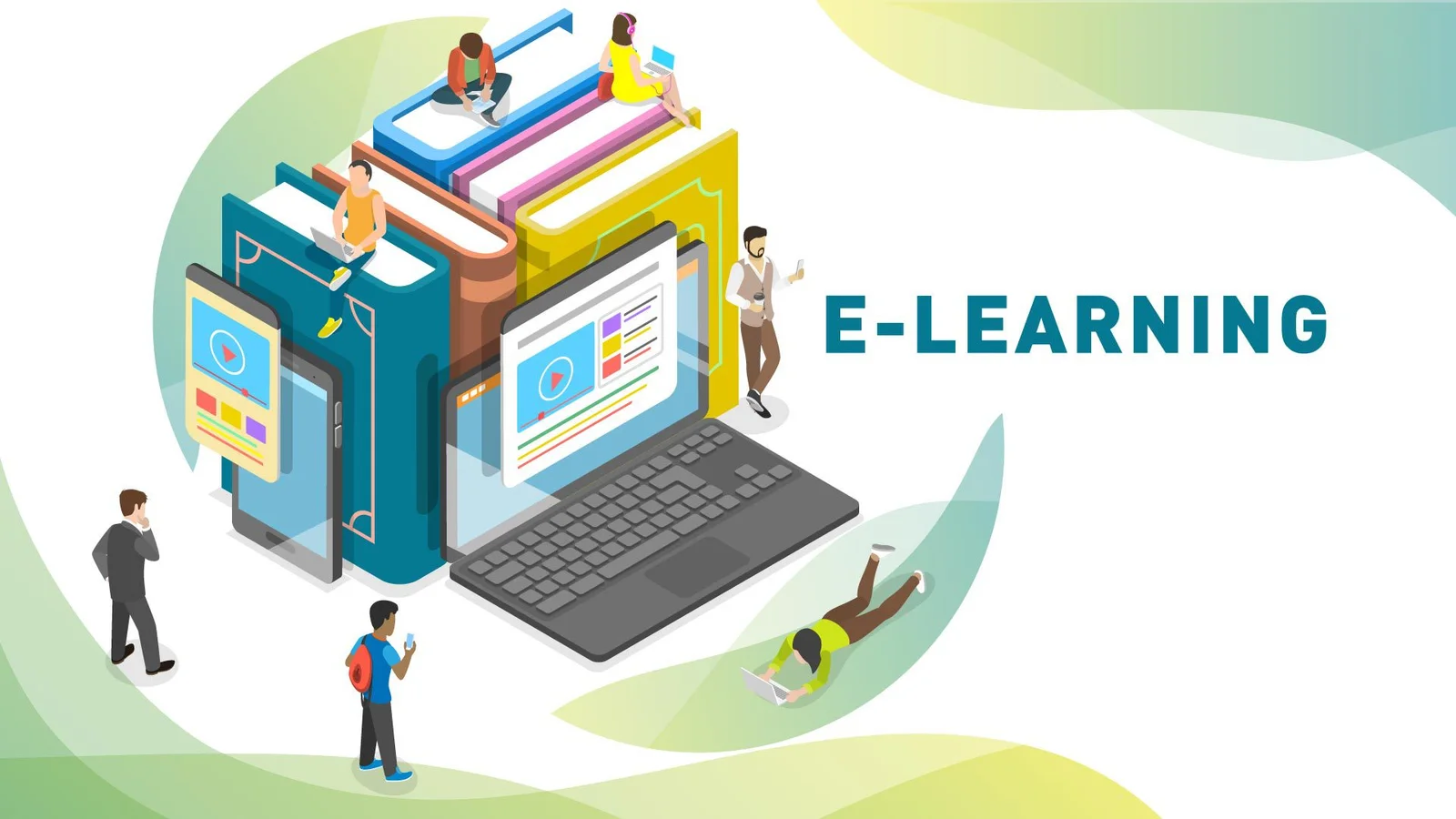
As South Africa’s digital economy accelerates into 2026, the demand for a tech-savvy workforce has transitioned from a luxury to an absolute necessity. Businesses, educational institutions, and government bodies are no longer just “considering” digital transformation; they are living it. At the heart of this shift is the Learning Management System (LMS)—the digital engine powering modern training and education.
The E-Learning LMS Learnership 2026 has emerged as a pivotal opportunity for unemployed youth to bridge the gap between basic computer literacy and professional digital administration. Offering a practical blend of theoretical knowledge and workplace exposure, this programme is specifically designed to address the high unemployment rate by equipping young South Africans with high-demand EdTech (Education Technology) skills.
What Exactly is the E-Learning LMS Learnership?
A learnership is a work-based learning programme that leads to an NQF-registered qualification. The E-Learning LMS track is unique because it focuses specifically on the backend and frontend management of digital learning environments.
Core Pillars of the Programme:
- Monthly Stipend: Participants typically receive a stipend of approximately R6,000, which serves to cover transport, data, and living expenses, making the programme accessible to those without financial means.
- LMS Specialization: Training involves mastering platforms like Moodle, Canvas, and Google Classroom.
- Theoretical Modules: Learners engage in online coursework covering Business Administration, End User Computing, and IT Systems Support.
- Workplace Experience: Beyond the “classroom,” learners are placed in environments where they assist in managing real-world digital training data.
The Rising Importance of LMS Skills in the 2026 Economy
In 2026, “digital skills” are no longer restricted to software developers. The surge in remote work and hybrid schooling means that administrative staff must now know how to navigate virtual ecosystems.
Why Organizations Need LMS Experts:
- Centralized Training: Companies use LMS platforms to onboard thousands of employees simultaneously.
- Compliance and Tracking: Regulated industries must track exactly who has completed safety or legal training.
- Scalability: Digital systems allow one educator to support thousands of learners, provided they have+ a competent support team.
- Data Management: Modern LMS platforms generate massive amounts of data regarding learner progress, which requires skilled administrators to interpret and report.
ALSO APPLY FOR Drake Training Academy Learnerships 2026: A Comprehensive Guide to Paid Study and Skills Development
Detailed Programme Components and Fields of Study
The 2026 curriculum is designed to be multi-disciplinary. It doesn’t just teach you how to click buttons; it teaches you the logic of business and technology.
1. End User Computing (EUC)
This is the foundation. Learners master the professional use of Microsoft 365 and Google Workspace. In 2026, this goes beyond typing a letter; it involves advanced Excel data manipulation and collaborative cloud-based workflows.
2. IT Systems and Business Analysis
Participants are introduced to how software interacts with business needs. Understanding “Why does the business need this feature?” is just as important as “How does this feature work?”
3. Digital Learning Support
This is the “human element.” Learners act as the first line of support for students struggling with the digital platform, requiring high levels of emotional intelligence and technical troubleshooting skills.
ALSO APPLY FOR COFCO International Learnership Programme 2026: Career Opportunity for Persons with Disabilities in Standerton
Breaking Down the R6,000 Monthly Stipend
The financial aspect of this learnership is one of its most significant draws. In the current economic climate, the cost of data and connectivity remains a barrier to entry for many.
- Data and Connectivity: Since much of the learning is online, a portion of the stipend is often utilized by learners to secure high-speed internet or mobile data bundles.
- Work Readiness: The stipend allows learners to maintain a professional appearance and cover commuting costs to their practical placement sites.
- Socio-Economic Impact: By providing a living wage during the training period, the programme ensures that the learner’s focus remains on their studies rather than immediate financial survival.
How to Apply: Requirements and Best Practices
To succeed in the application process for 2026, candidates must demonstrate both eligibility and a high level of “digital readiness.”
Minimum Requirements:
- Age: Usually between 18 and 35 (aligned with South African youth development policies).
- Education: A valid Grade 12 (Matric) certificate.
- Status: Must be currently unemployed and not studying full-time elsewhere.
- Citizenship: Valid South African ID.
Tips for a Standout Application:
- The “Digital” CV: Ensure your CV is in PDF format and clearly lists any experience with smartphones, social media for business, or basic computer use.
- Professional Email Etiquette: When applying, use a professional email address (e.g.,
firstname.lastname@email.com) and include a clear subject line. - Motivation Statement: Don’t just say you need a job. Explain why you are interested in technology and education.
Apply online for the LMS Learnership
Career Pathways After the Learnership
Completion of the E-Learning LMS Learnership opens doors to various sectors. The skills acquired are highly transferable.
| Job Role | Potential Industry | Key Responsibility |
| LMS Administrator | Corporate / Higher Ed | Managing user access and uploading content. |
| IT Helpdesk Support | Tech / Retail | Troubleshooting hardware and software issues. |
| Junior Instructional Designer | EdTech Companies | Assisting in the creation of digital course content. |
| Training Coordinator | HR Departments | Organizing schedules and tracking employee certifications. |
Guarding Against Scams
As interest in these programmes grows, so does the risk of fraudulent recruitment. Legitimate learnerships will never ask you to pay an “application fee,” “placement fee,” or “admin fee.” If a recruiter asks for money via WhatsApp or retail money transfers, it is a scam. Always verify the provider through the relevant SETA (Sector Education and Training Authority).
Frequently Asked Questions (FAQ)
1. Do I need an IT degree to apply for this learnership?
No. The programme is designed for Grade 12 school leavers. While an interest in technology is essential, the “learn” in learnership means you will be taught the necessary technical skills from scratch.
2. Is the R6,000 stipend guaranteed?
While R6,000 is the reported average for 2026, stipends are determined by the specific SETA and the hosting company. Always confirm the exact amount in your learner agreement before signing.
3. Can I apply if I am currently a full-time student?
Generally, no. Learnerships require a full-time commitment (typically 40 hours per week). Most providers require you to be currently unemployed and not enrolled in another subsidized training programme.
4. How long does the programme last?
Standard learnerships in South Africa last for 12 months. This allows for roughly 30% theoretical learning and 70% practical workplace application.
5. What happens after the 12 months are over?
While the host employer is not legally obligated to hire you permanently, many use learnerships as a “probationary” period to find talent. Even if you aren’t absorbed, you leave with a formal qualification and a year of workplace experience.
6. Is this programme available in rural areas?
Many LMS learnerships in 2026 are “remote-first,” meaning you can do the theoretical part from anywhere with an internet connection. However, the practical workplace component may require you to be near a major city or business hub.
7. What software should I practice before applying?
Focus on getting comfortable with the Google Workspace (Docs, Sheets, Drive) and basic Microsoft Office. Familiarizing yourself with the interface of free LMS platforms like Moodle or Google Classroom will also give you a head start.
The Long-Term Outlook
The E-Learning LMS Learnership 2026 represents a critical step toward narrowing the digital divide in South Africa. By focusing on the systems that facilitate learning, the programme doesn’t just create workers; it creates the infrastructure for a more educated nation.
For the applicant, this is an opportunity to move from a consumer of digital content to a creator and administrator of it. As the workplace continues to evolve, those who understand the “how” behind digital education will find themselves at the forefront of the modern economy.
About the Author
This guide was compiled by our Career Development Team, specializing in South African youth employment trends and EdTech advancements. Our goal is to provide accurate, scam-free information to help school leavers navigate the 2026 job market.

Ncebakazi Xatula is an Opportunities Researcher and Writer at Setasite, where she focuses on South African learnerships, skills programmes, bursaries, and youth employment pathways. Her work is dedicated to helping matriculants, students, and job seekers clearly understand how the country’s skills development system works and how to apply successfully for verified opportunities.
She specializes in breaking down complex SETA processes into practical, step-by-step guidance that first-time applicants can follow with confidence. Her research involves reviewing publicly available information from Sector Education and Training Authorities (SETAs), accredited training providers, employers, and official institutional sources to ensure content remains accurate and locally relevant.
Ncebakazi’s areas of focus include learnership requirements, application preparation, skills programme opportunities, and common mistakes that prevent applicants from being shortlisted. She is particularly passionate about improving access to reliable opportunity information for young people entering the South African job market.
At Setasite, her editorial approach prioritizes clarity, responsible reporting, and people-first usefulness to support readers making informed career decisions.